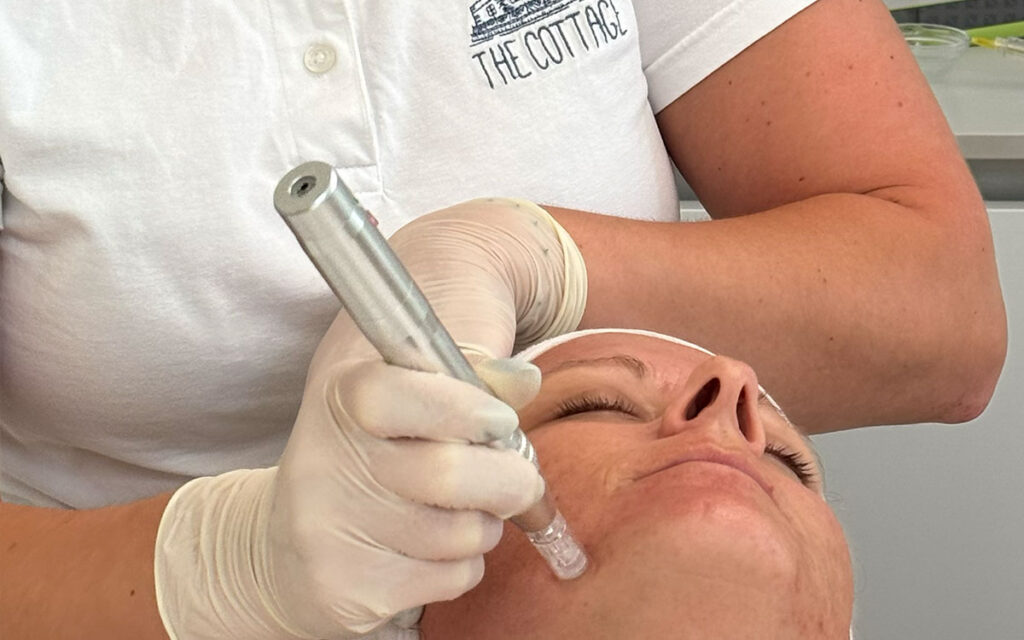
1. Facials & Needling
Facials, peelings, microneedling with PDRN and exosomes, JetPeel and acne treatments.


Facials, peelings, microneedling with PDRN and exosomes, JetPeel and acne treatments.
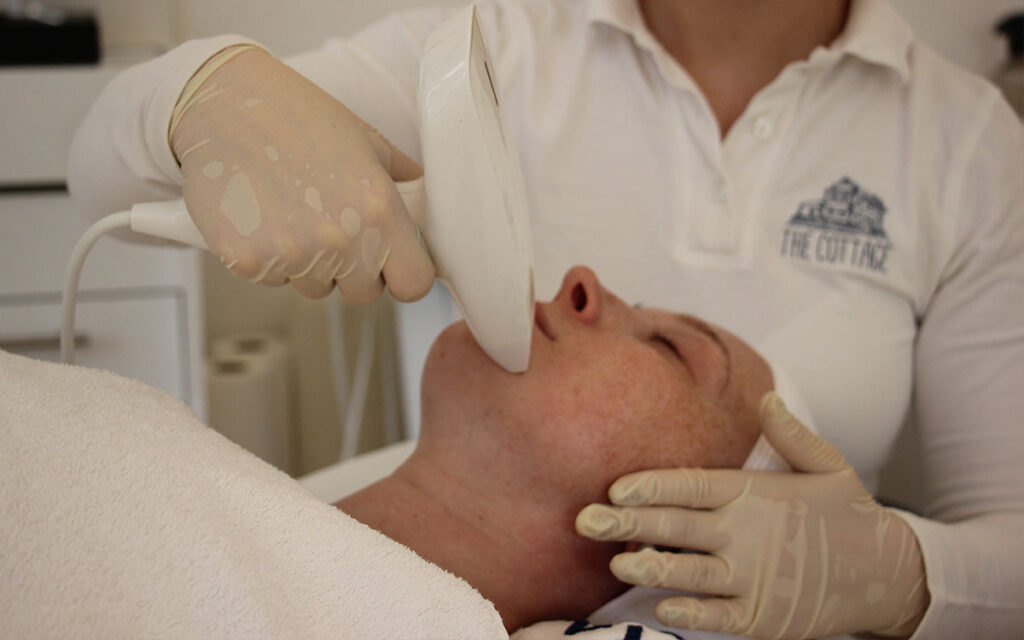
Radiofrequency, EMFACE and RF needling plus our signature combinations for firmer skin.
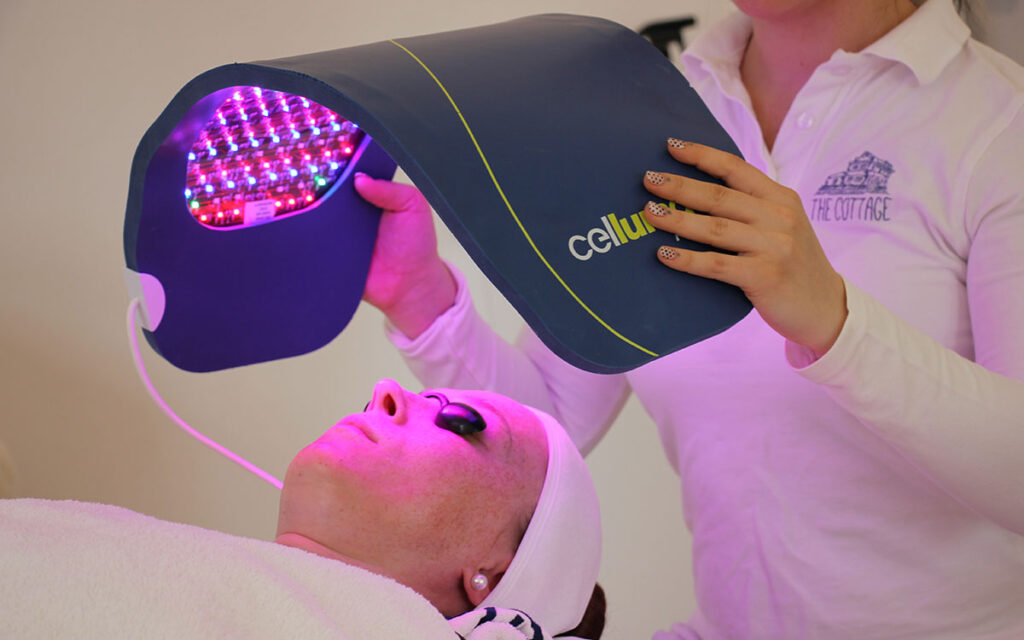
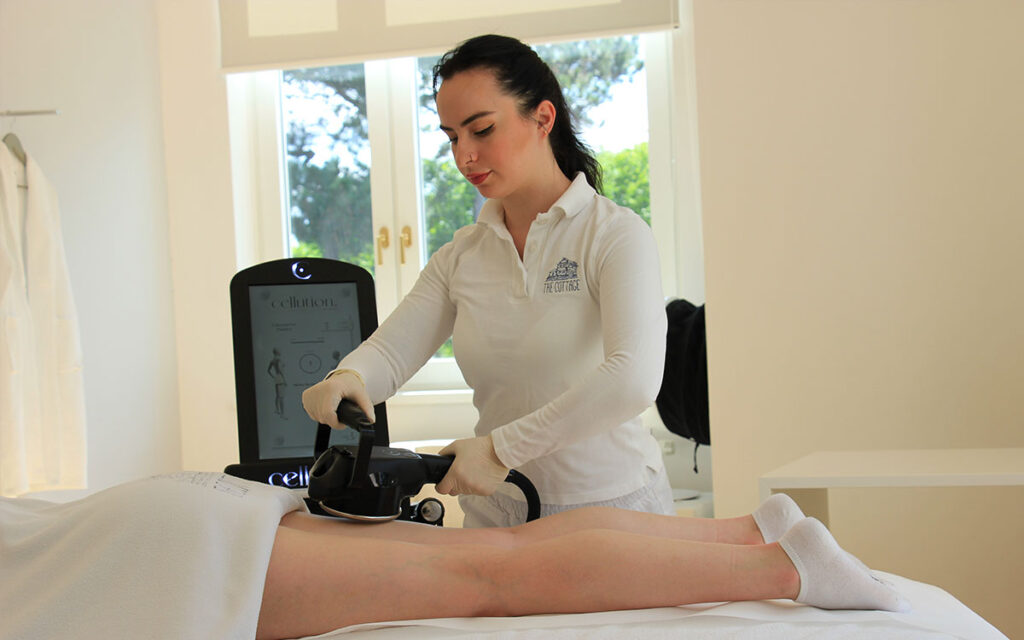
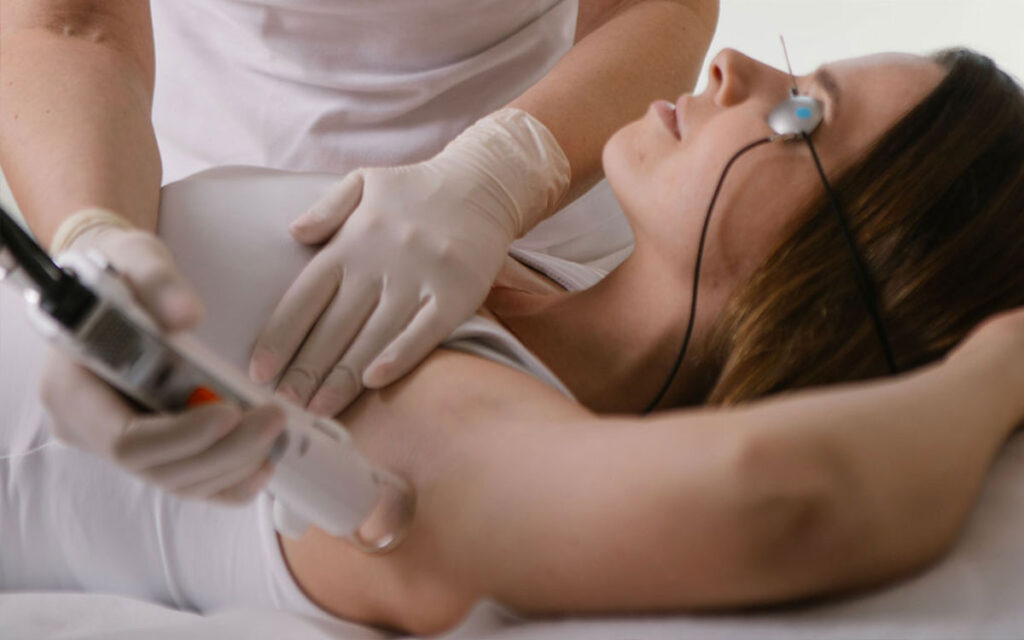
Laser hair removal for all areas – freely combinable, with 4- and 8-session packages.
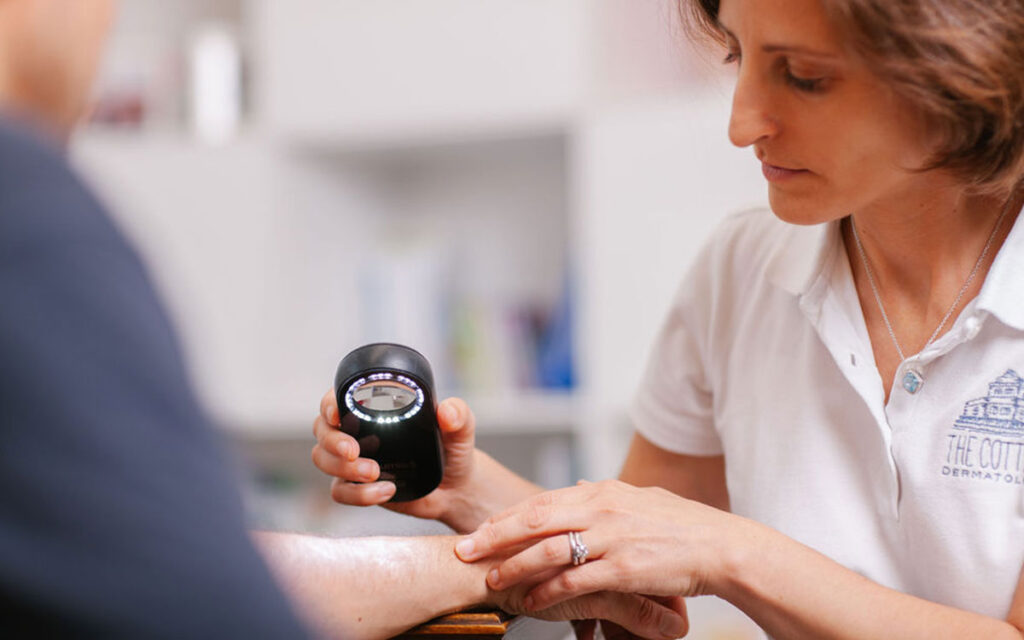
Dermatology, muscle relaxant, fillers, skin boosters, polynucleotides and medical laser treatments.
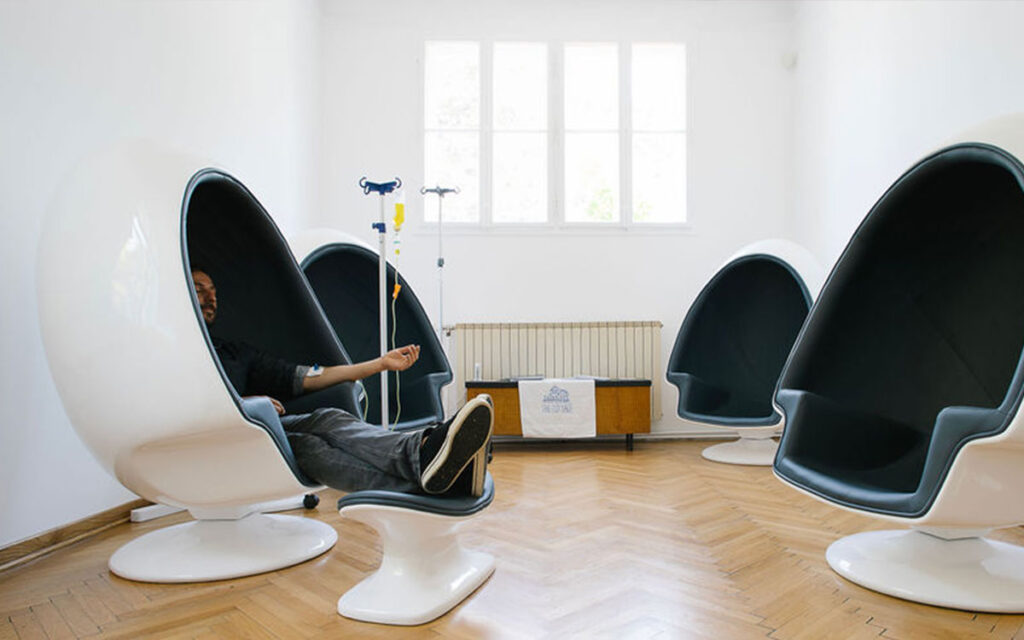

For vitality that lasts a lifetime, a healthy cell metabolism is essential. Interval Hypoxia-Hyperoxia Therapy (IHHT) is a treatment method that promotes cell regeneration and supports the regeneration, revitalization, and performance enhancement of the entire organism.
IHHT takes place while completely relaxed, either lying down or sitting. The patient is repeatedly exposed to periodic oxygen deficiency (hypoxia) and oxygen excess (hyperoxia). Air with a reduced oxygen content and then with an increased oxygen content is delivered through a breathing mask. Effects similar to those of real high-altitude training are achieved. In every chronic illness, especially respiratory diseases, exhaustion, burnout, and metabolic disorders, the mitochondria are not in an optimal state.
IHHT starts a process in the body that primarily benefits the mitochondria – the power plants and fat-burning furnaces of the cells.


The hypoxia phase forces the body to adapt to the lack of oxygen, comparable to the situation that arises when climbing a high mountain above 3000m. This improves blood circulation and metabolism. In the hyperoxia phase, the body is then supplied with more oxygen to support the body’s regeneration and prepare the body for the next phase of oxygen deprivation.
Other advantages include the following:
Here you can find our complete price list: View price list
Book your desired appointment online now with one of our experts of your choice!

Frequently asked questions about IHHT
A single treatment costs 100 euros. For an optimal therapeutic effect, we recommend 10 treatment for 900 euros. We recommend two treatments per week. If the treatment is prescribed by a doctor based on a medical indication, in some cases it is covered by your private insurance. (e.g.: Uniqa)
IHHT can have long-term effects in different areas of the body. Depending on the area, this can take a few hours, days or even weeks.
You sit relaxed in our Cottage Egg Chairs and alternately breathe in oxygen-reduced air and oxygen-enriched air using a mask. Cell phones and laptops are prohibited, as you can only achieve the optimal effect with total relaxation and concentration on your breathing. Inhale and exhale through the nose.
We strongly recommend 10 sessions for the best effect.
Various studies have concluded that the effects of proper altitude training last between 3 and 5 weeks, possibly longer. The biological lifespan of red blood cells (red blood cells) in the human body is limited to only 120 days.
The principle is simple. The lower the air pressure, the harder the cardiovascular system works. In the mountains, air pressure decreases as you climb. During training sessions at high altitude, athletes use changed oxygen conditions.
IHHT is safe when monitored by a qualified doctor. However, as with any treatment, there may be risks, so every patient should undergo a careful medical examination before starting treatment.
Very rarely, some patients may experience headaches, dizziness or nausea.
You are currently viewing a placeholder content from Facebook. To access the actual content, click the button below. Please note that doing so will share data with third-party providers.
More InformationYou are currently viewing a placeholder content from Instagram. To access the actual content, click the button below. Please note that doing so will share data with third-party providers.
More InformationYou are currently viewing a placeholder content from Instagram. To access the actual content, click the button below. Please note that doing so will share data with third-party providers.
More InformationYou are currently viewing a placeholder content from X. To access the actual content, click the button below. Please note that doing so will share data with third-party providers.
More Information