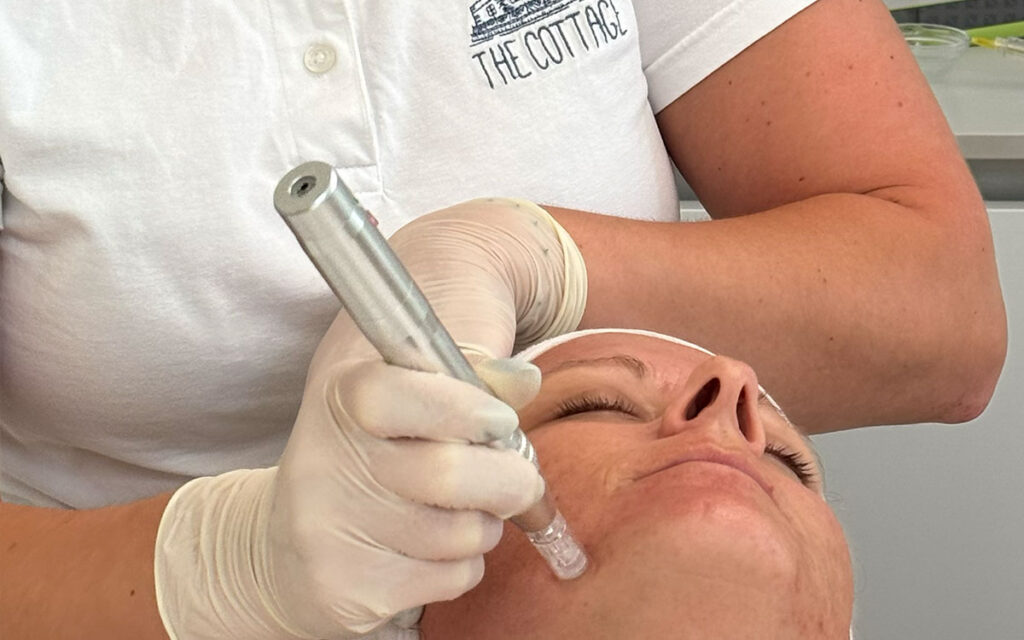
1. Facials & Needling
Facials, peelings, microneedling with PDRN and exosomes, JetPeel and acne treatments.


Facials, peelings, microneedling with PDRN and exosomes, JetPeel and acne treatments.
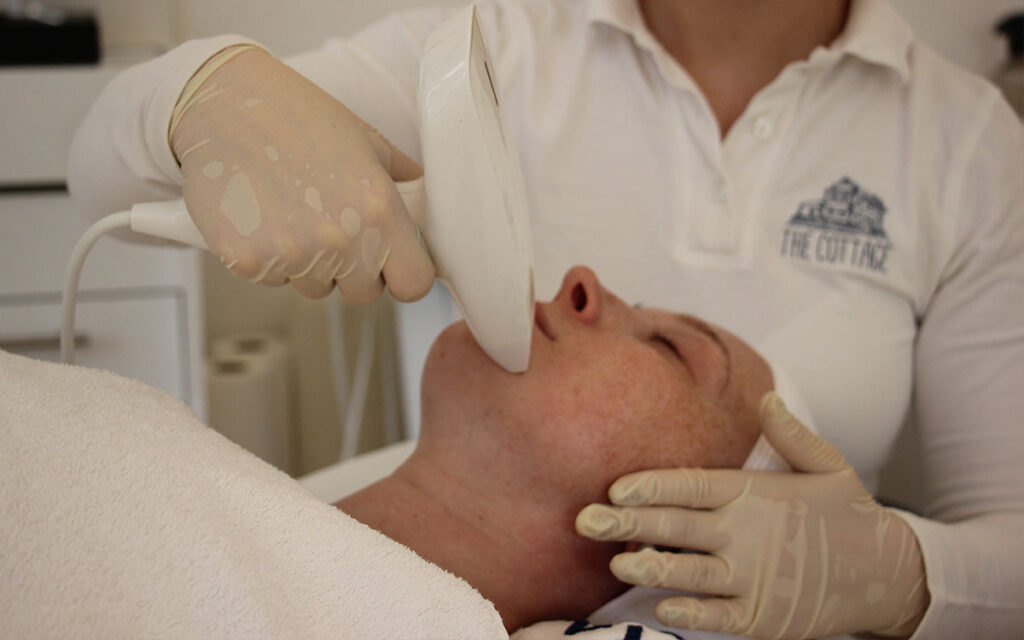
Radiofrequency, EMFACE and RF needling plus our signature combinations for firmer skin.
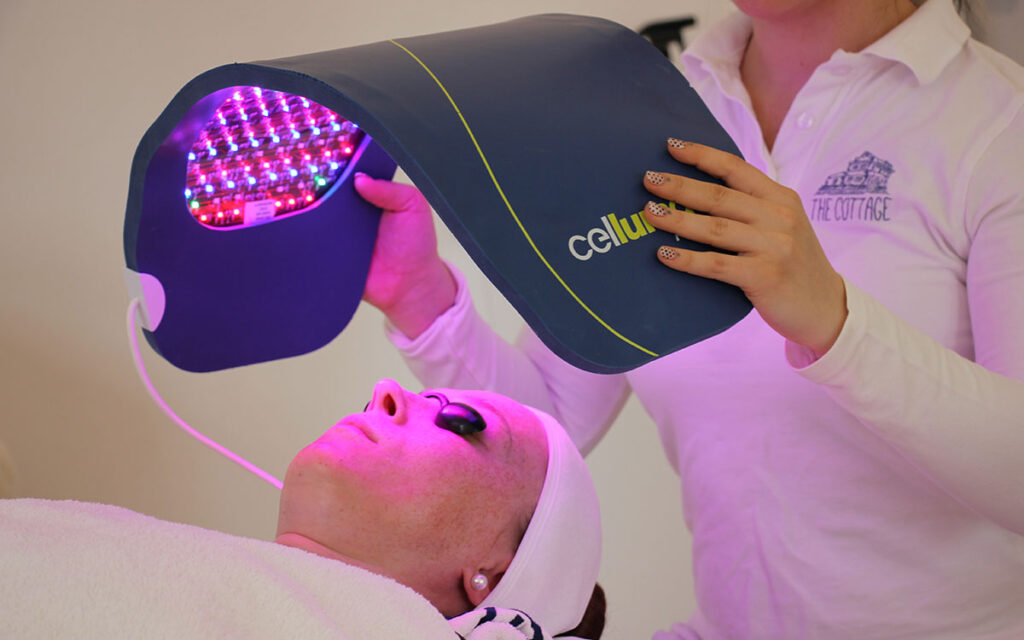
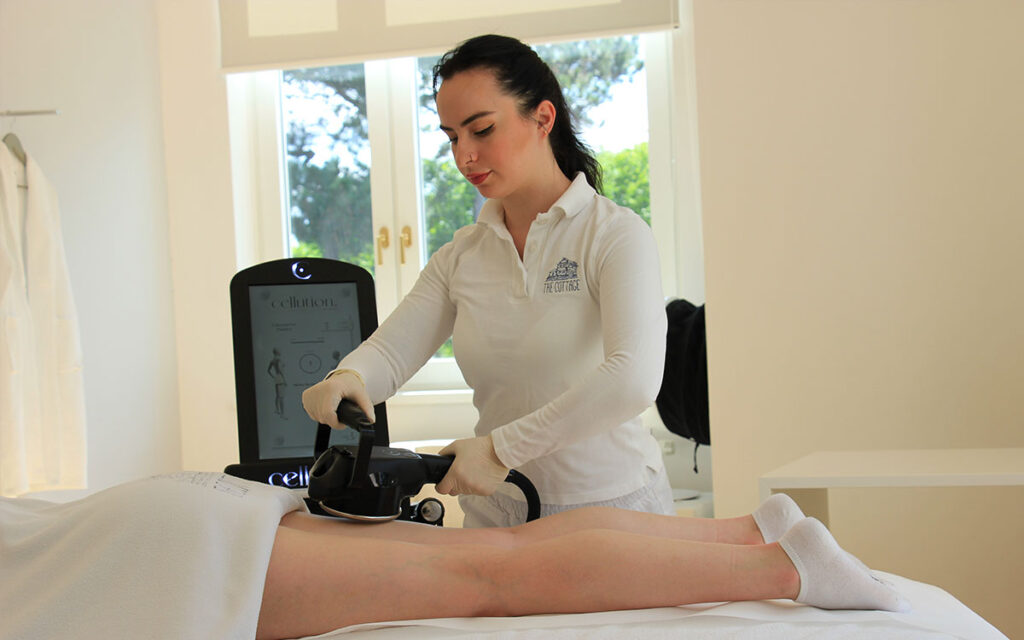
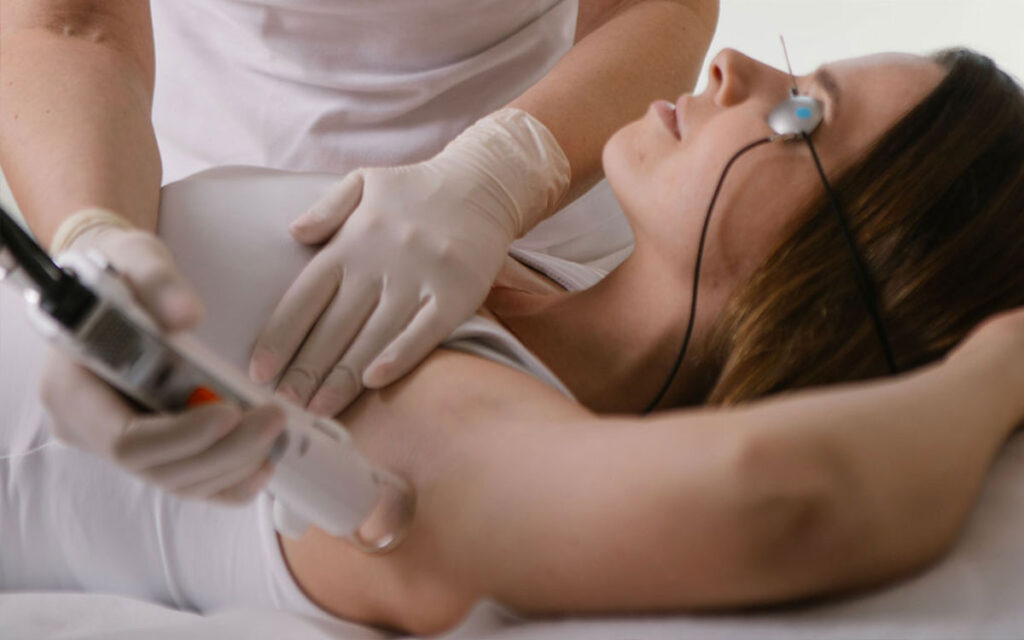
Laser hair removal for all areas – freely combinable, with 4- and 8-session packages.
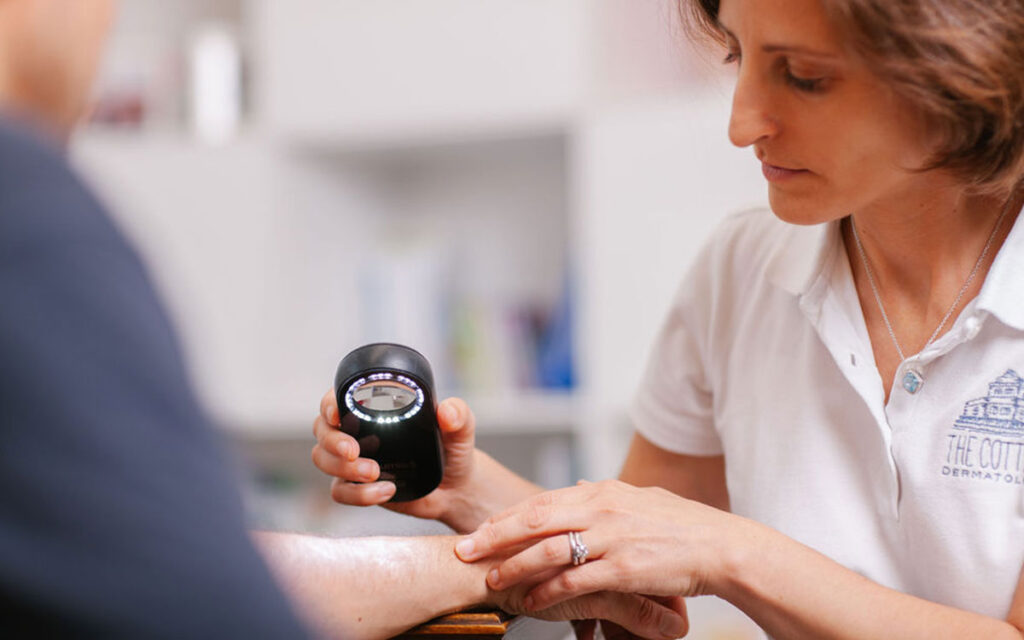
Dermatology, muscle relaxant, fillers, skin boosters, polynucleotides and medical laser treatments.

Book online at:
Treatment with a high-quality, medical IPL system eliminates vascular disorders in the skin. It is one of the most effective procedures against fine, diffuse red veins and redness. IPL (Intense Pulsed Light) is a broadband pulsed light source. An IPL attachment specifically designed for redness emits short light pulses with wavelengths that are specifically absorbed by the red blood pigment. The pigment hemoglobin, which is contained in our blood, absorbs the light and converts it into heat. As a result, small veins are cauterized and then safely broken down. This method can also noticeably improve the appearance of rosacea or couperose.


This procedure, also known as rosacea treatment, uses special wavelengths that can be absorbed by the red veins and dilated blood vessels. This process causes the vessels to constrict, which decreases the blood flow and
the redness is reduced.
What you can expect:
Here you can find our complete price list: View price list
Book your desired appointment online now with one of our experts of your choice!

Frequently asked questions about IPL
Lasting results are achieved after 3 to 5 sessions at intervals of 3 to 4 weeks. We recommend at least 3 treatments.
Often, the first improvements can be seen after the first session. However, the result can vary greatly depending on the skin condition.
Although IPL is a safe and gentle treatment method, there may be mild side effects such as redness, swelling and skin irritation, which usually disappear on their own after a few days.
Immediately after the treatment, the treated areas will be more noticeable than before. Veins may be more visible or turn purple to black. This effect is intentional and necessary to achieve an improvement.
IPL is suitable for most skin types, but best for skin types I to IV. The classic indication for IPL treatment is diffuse, superficial redness, e.g. the „apple cheeks of Snow White“. IPL should not be used in the case of certain skin diseases or when taking medication that makes the skin sensitive to light.
Be sure to avoid the sun for the first week after treatment. A suitable sunscreen with SPF 50+ is indispensable. In addition, sports and unnecessary sweating should be avoided for the first three days.
We usually advise against using IPL on dark skin types, as there is an increased risk of burns or pigment shifts. But basically, in any case, it is necessary to work with much less energy, which increases the number of treatments to achieve the desired result.
Mainly, patients feel a warm sensation on the skin. Sometimes up to a slight stinging pain. Immediately after the treatment, it feels similar to a mild sunburn.
Mild and moisturizing and cooling products are especially good for the skin after IPL treatment. To achieve even better results, we also offer special serums and creams against redness.
It is recommended to avoid this treatment during the summer months, especially in high temperatures and strong sunlight. This is because the skin may be more sensitive to sunlight after the treatment, which increases the risk of pigmentary shifts.
You are currently viewing a placeholder content from Facebook. To access the actual content, click the button below. Please note that doing so will share data with third-party providers.
More InformationYou are currently viewing a placeholder content from Instagram. To access the actual content, click the button below. Please note that doing so will share data with third-party providers.
More InformationYou are currently viewing a placeholder content from Instagram. To access the actual content, click the button below. Please note that doing so will share data with third-party providers.
More InformationYou are currently viewing a placeholder content from X. To access the actual content, click the button below. Please note that doing so will share data with third-party providers.
More Information